Moving a running aquarium looks daunting and mostly is not, provided you treat it as a filter move with a tank attached rather than the other way round. The glass is heavy but replaceable. The bacterial colony in your filter is neither, and everything below is organised around keeping it alive.
Plan for a single day
The colony tolerates a few hours in a bucket. It does not tolerate a weekend in a garage. Break down and set back up on the same day, and start early enough that the tank is running again before evening.
If the move genuinely has to span days, keep the filter media in a sealed container of tank water at room temperature and add a pinch of fish food every day or so to keep the bacteria fed.
What you need to hand
- Clean buckets with lids — more than you think, at least three.
- A battery air pump for the fish bucket if the drive is over an hour.
- Towels, and something to protect the tank base in transit.
- Conditioner and a thermometer for the refill.
Breaking it down, in order
- Stop feeding 24 hours before. Less waste in transit, cleaner water in the fish bucket.
- Reserve tank water. Fill two buckets from the tank before you disturb anything. This water is going back in later and it is already the right chemistry.
- Filter media out first. Straight into a bucket of reserved tank water, fully submerged, lid on. This is the single most important step. Never let it dry out.
- Fish out. Into a third bucket of reserved water, covered and dark. Dark keeps them calm.
- Drain most of the remaining water. Leave a couple of inches over the substrate.
- Decor and hardscape out. Photograph the layout first if you want to rebuild it.
- Substrate out into buckets, with a little tank water over it. Keeping it damp preserves the bacteria living in it.
- Tank empty and dry, then lift. Never move a tank with water or substrate in it — glass seams are not designed for the flex.
In transit
Transport the tank flat and supported across its whole base, not resting on a rim or a corner. On a car seat, put a folded blanket underneath. Keep the fish and media buckets upright, in the cabin rather than the trunk in summer, and out of direct sun.
Setting back up
- Site and level the tank. A tank out of level puts uneven stress on the seams and shows immediately at the waterline.
- Substrate back in, then hardscape and planting.
- Fill with the reserved tank water first, then top up with fresh water treated with conditioner and matched to temperature.
- Filter media back into the filter in the original order, and start it.
- Heater on, and let the temperature come up before the fish go back.
- Acclimatise the fish as you would new arrivals — float the bucket water, then add tank water gradually — and put them back once the temperature matches.
The first fortnight afterwards
Expect some cloudiness for a few days; disturbed substrate releases organics and a bacterial bloom is normal. Test ammonia and nitrite every day or two for two weeks. A small ammonia reading usually means some of the colony did not survive the move — feed lightly, change 25 per cent daily, and leave the filter alone while it recovers.
Do not clean the filter, do not add fish, and do not rearrange anything for the first month. The tank is re-establishing and every extra change is a setback.
If the tank is being replaced as well
Moving into a new tank is the same job with one addition: everything from the old filter goes into the new one on day one, and if you can run both filters together for a few weeks first, do. There is a full guide to filter changeovers elsewhere on this journal. New glass is listed under glass tanks, and complete replacements under starter kits.
Handling the fish end of it
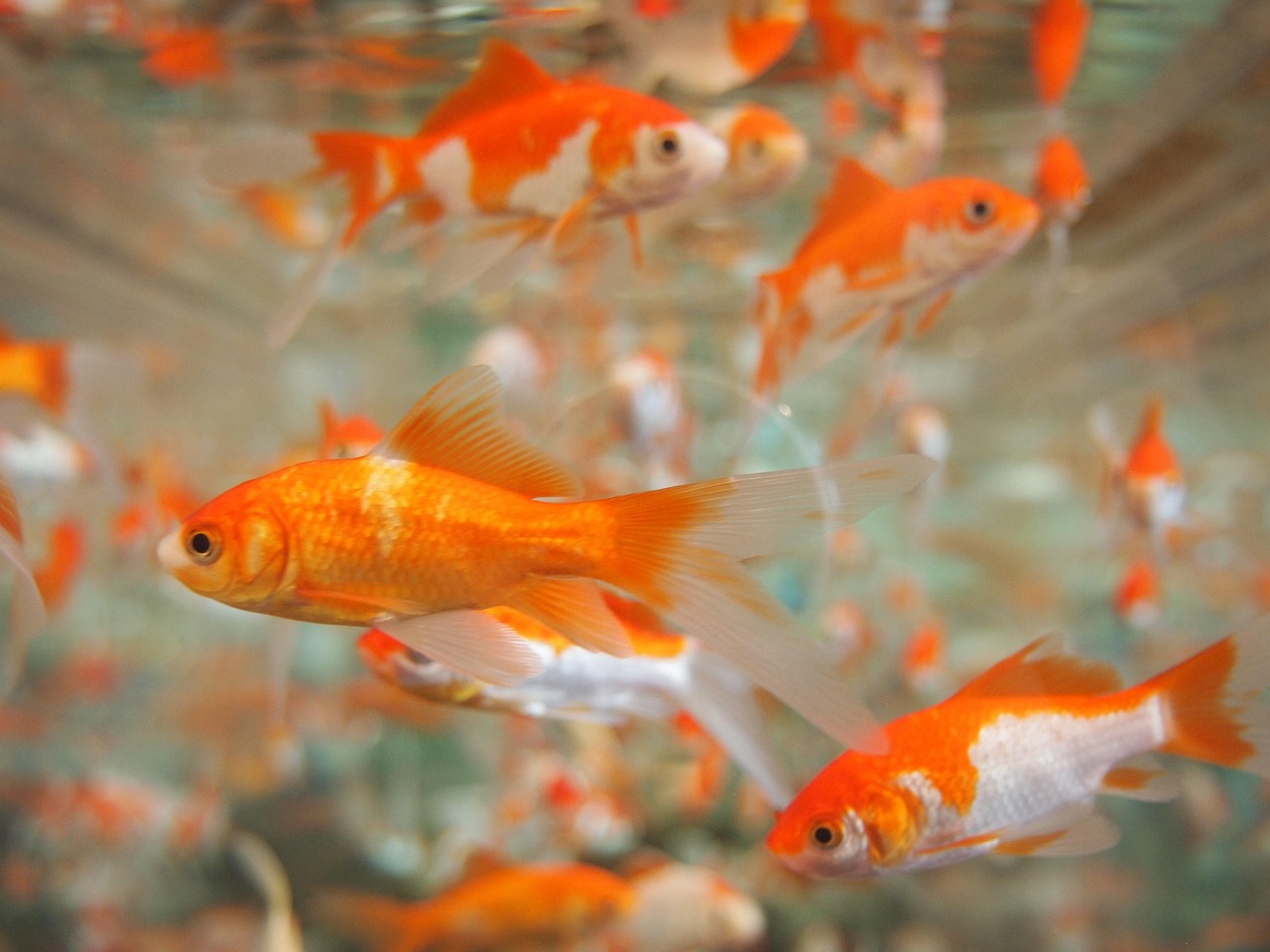
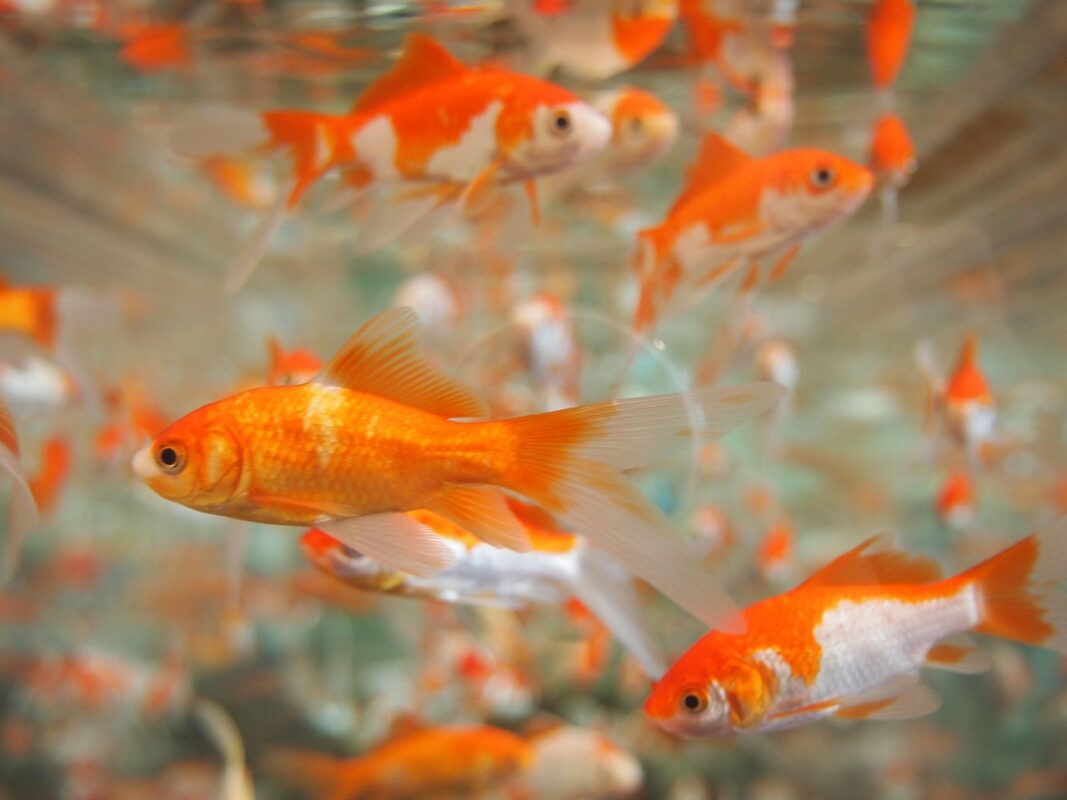
Fish travel better than most people expect, provided three things are true: the water is theirs, the container is covered, and the temperature does not swing. Use a lidded bucket rather than a bag for anything longer than half an hour — bags run out of oxygen and are easy to puncture on a car journey.
Do not feed on the day of the move. Fish in transit with full digestive tracts foul the water faster, and an adult fish missing one or two meals is in no difficulty at all. Keep the bucket dark; a towel over the top does more to calm fish than anything else you can do.
Anything spiny or capable of biting — plecos, larger catfish, cichlids — travels alone rather than in the communal bucket. So do known aggressors, who take the confinement badly.
Plants and invertebrates
Live plants travel damp rather than submerged: wrapped in wet newspaper in a sealed bag, they will be fine for a day and take up a fraction of the space. Artificial planting simply goes in a bucket with the decor.
Shrimp and snails are the most sensitive passengers, because they react badly to temperature swings and to any copper in the refill water. Move them in their own container of tank water, acclimatise them more slowly than the fish at the far end, and hold off on any new conditioner brand until they have settled.
Worth saying plainly
A move is a good moment to fix things you have been putting off — a filter that was always a size too small, substrate you never liked, a layout that fought the flow. Rebuilding takes the same afternoon either way.
If you are moving a large or awkward tank and would rather have help, get in touch; that is the service half of what we do. Replacement parts and media are on the shop page, and the FAQ answers the questions that come up most.
From our shelves
Products in this store that relate to what is covered above:
Prices are in US dollars. Delivery timings are on our shipping policy page and the return and refund policy sets out the window if something is not right.
Related reading