A starter kit is a good way to begin, provided you know what is in the box and what is not. Two kits at the same price can differ by a hood, a heater or a filter cartridge, and the gap only becomes obvious on the evening you sit down to set the tank up. This is the full day-one list, and where kits typically stop.
What is almost always included
- The tank. Usually glass, occasionally acrylic on the smaller sizes.
- A hood or lid with a light. LED on anything current. The lid matters as much as the light: it slows evaporation and stops fish jumping.
- A filter, generally an internal or small hang-on-back unit sized to the tank, with one starter cartridge.
That is the common core. Everything below is the part that varies.
What is often missing
A heater
Most tropical community fish want stable water in the mid-70s Fahrenheit. Room temperature in an Illinois house is not that, and it swings overnight. Kits under about ten gallons frequently omit the heater entirely. Check the box contents before you plan the stocking, because an unheated tank limits you to coldwater species.
Substrate
Gravel or sand is rarely included and is not optional — it holds beneficial bacteria, anchors decor and gives bottom-dwellers somewhere to behave normally. Budget roughly one pound per gallon for a standard depth, and rinse it thoroughly before it goes in or you will spend the first day looking at grey water.
Water conditioner
Tap water here is chlorinated and often chloraminated. Both are lethal to fish and to the bacteria you are trying to establish. A dechlorinator is the cheapest item on this list and the least skippable. Ours are listed under water care.
A test kit
Never included, always needed. Without ammonia and nitrite readings you are guessing about the one thing that actually determines whether fish survive the first month.
Decor and planting
Kits ship empty. Fish need cover to feel secure, and a bare tank makes shy species hide permanently in a corner. Our decor and artificial plants are aquarium-grade and intended for permanent submersion, which not everything sold as ornament is.
Reading the gallon rating honestly
A kit rated at ten gallons has a filter rated at ten gallons, on the assumption of light stocking and regular maintenance. Add a full complement of fish and it will be working at its limit from the first week. If you already know you want a busy tank, size the tank up rather than the stocking down — a twenty is far more forgiving than a ten, and costs less than you would expect.
Our starter kits are listed with their gallon rating and a plain contents list, including what is not supplied. If you are rebuilding rather than starting fresh, bare glass tanks are listed separately.
The order of operations on setup day
- Site the tank first. Full, a 20-gallon weighs around 225 pounds; the stand and the floor have to take it. Avoid direct sun, which drives algae.
- Rinse the substrate until the water runs clear, then add it.
- Position hardscape and planting before filling. Rearranging in a full tank is a wet job.
- Fill onto a plate or a bag to avoid cratering the substrate.
- Add conditioner, then start the filter and heater.
- Wait. This is the step people skip.
Why you wait
A new tank has no bacterial colony, so ammonia from fish waste has nowhere to go. Adding a full stocking on day one produces exactly the ammonia spike that kills the first batch of fish and puts people off the hobby.
A fishless cycle — dosing ammonia and waiting until both ammonia and nitrite read zero within 24 hours — takes three to six weeks and risks nothing. A donated handful of mature media from an established filter cuts that dramatically. If you know someone with a running tank, that squeeze of old sponge is the most valuable thing you can be given.
A realistic first-month budget
Kit, substrate, conditioner, test kit, heater if it is not included, and some decor. Then nothing for a month while it cycles, then fish. Spreading it that way is cheaper than the common alternative, which is buying everything plus fish on day one and replacing the fish a fortnight later.
Kit sizes and what they realistically hold
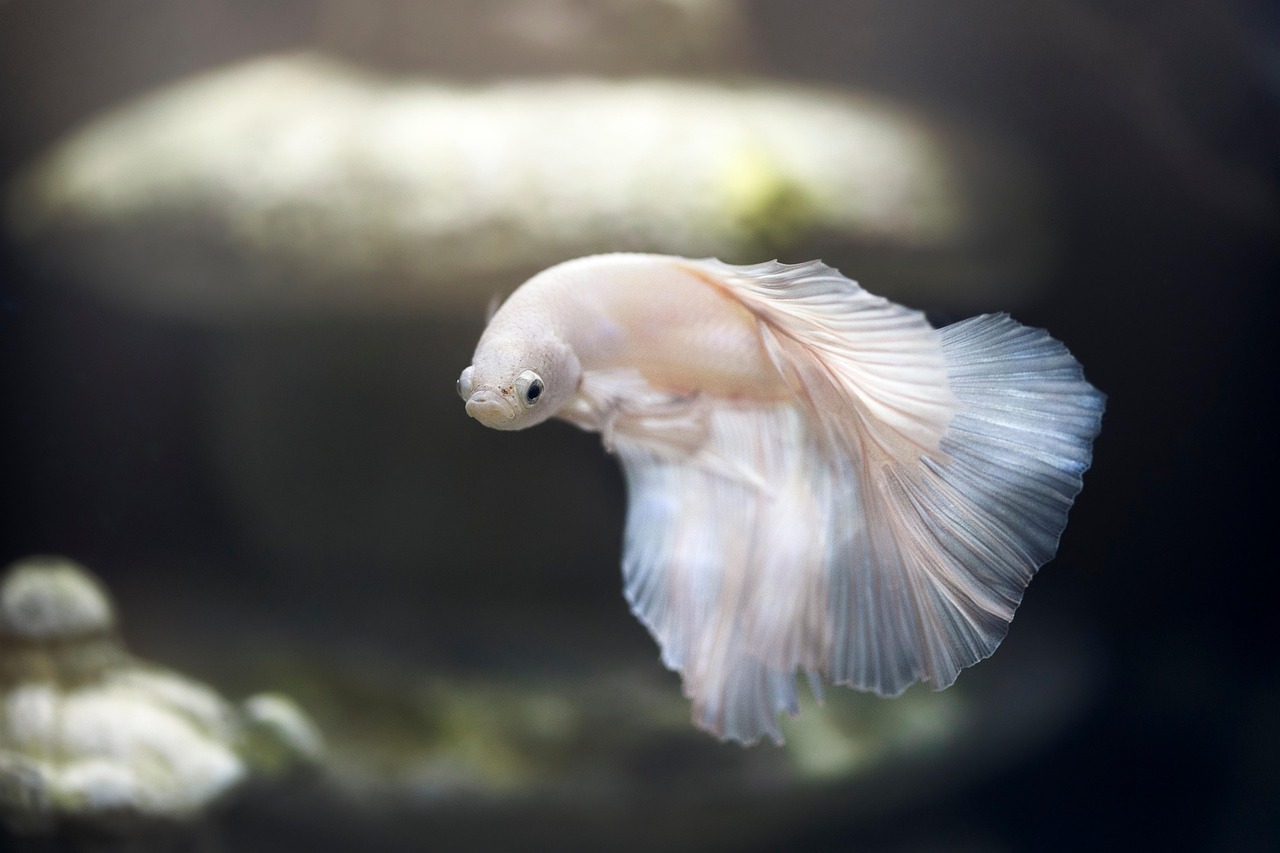
A five-gallon kit is a betta tank or a shrimp tank and very little else, and its small volume makes water chemistry move quickly. A ten will take a small school of nano fish if you are disciplined about feeding. A twenty is the first size where a proper community tank works comfortably, and it is the size we recommend to most people who ask.
The counter-intuitive part is that the small tanks are the difficult ones. In five gallons, one uneaten pinch of food is a measurable ammonia event. In twenty, the same pinch disappears into the volume. If the difference in price between two kits is small, take the larger one; you are buying forgiveness, not just glass.
Lids, evaporation and jumping fish
The lid is the part people quietly discard, and it does two jobs. It slows evaporation, which keeps the water level — and therefore the filter intake — stable through the week. And it stops fish leaving the tank, which sounds theatrical until it happens. Danios, hatchetfish, many killifish and almost every loach will find a gap. If the kit lid has cut-outs for equipment, block the ones you are not using.
Before you order
Every kit listing here states the gallon rating and what is in the box. If you are choosing between two and want a straight answer about which one leaves less to buy afterwards, ask us — we are on Ogden Avenue and answer email on the next business day. Delivery timings are on the shipping policy page, glass goes out double-boxed, and the return and refund policy covers what happens if something arrives damaged.
See the full range.
From our shelves
Products in this store that relate to what is covered above:
Prices are in US dollars. Delivery timings are on our shipping policy page and the return and refund policy sets out the window if something is not right.
Related reading